
WordPress is a free and open-source Content Management System (CMS) used to create websites and blogs.
Timeline of WordPress
- 2003 – WordPress was created by Matt Mullenweg and Mike Little as a fork of the blogging software b2/cafelog.
- 2004 – Introduction of the Plugin Architecture, allowing developers to extend WordPress functionality.
- 2005 – Themes were introduced, enabling users to customize website designs easily.
- 2010 – Custom Post Types and advanced CMS features made WordPress suitable for business websites.
- 2018 – The Gutenberg Block Editor was launched, providing a modern drag-and-drop content editing experience.
- Today – WordPress powers a large percentage of websites worldwide, including blogs, business websites, portfolios, news portals, educational sites, and e-commerce stores.
What is CMS & WordPress?
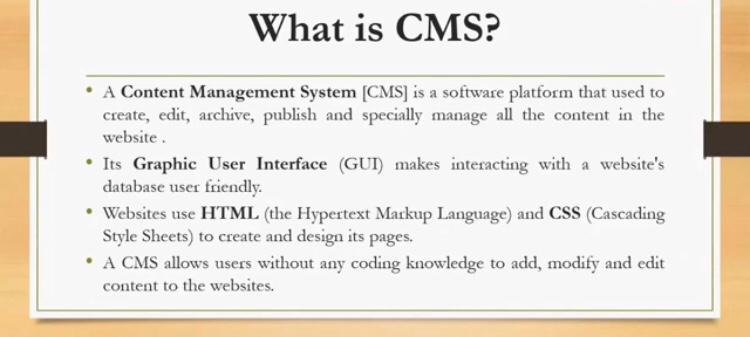
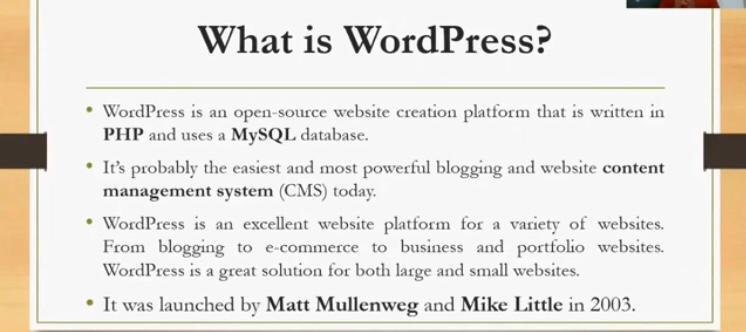
WordPress is a free, open-source Content Management System (CMS) that allows users to create and manage websites, blogs, and online stores. It’s the most popular CMS in the world, powering over 43% of all websites.
Here’s a more detailed explanation:
- Content Management System (CMS):A software that enables users to create, edit, organize, and publish digital content on the web.
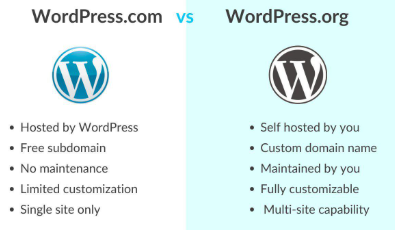
- Open-Source:WordPress is free to use, modify, and distribute, meaning anyone can download and use it without paying licensing fees.
- User-Friendly:WordPress is designed to be easy to use, even for beginners, with a straightforward interface and no coding required.
- Extensive Functionality:WordPress offers a wide range of features, including plugins (add-on software), themes (design templates), and customization options, allowing users to build diverse websites.
- Community Support:A large and active community supports WordPress, providing resources, tutorials, and help for users.
- Flexibility:WordPress can be used for a variety of purposes, from personal blogs to complex e-commerce stores and business websites.
- Global Reach:WordPress is used by millions of websites around the world, making it a widely recognized and trusted platform.
Common Uses of WordPress
- Personal Blogs
- College and University Websites
- Business Websites
- News Portals
- Portfolio Websites
- E-commerce Stores
- Educational Websites
- Non-Profit Organization Websites