History of UNIX (Short & Clear)
🔹 Origins (1960s–1970s)
- UNIX was created in 1969 at Bell Labs by Ken Thompson and Dennis Ritchie.
- It evolved from an earlier project called Multics, ( Multiplexed Information and Computing Service)which was complex and costly.
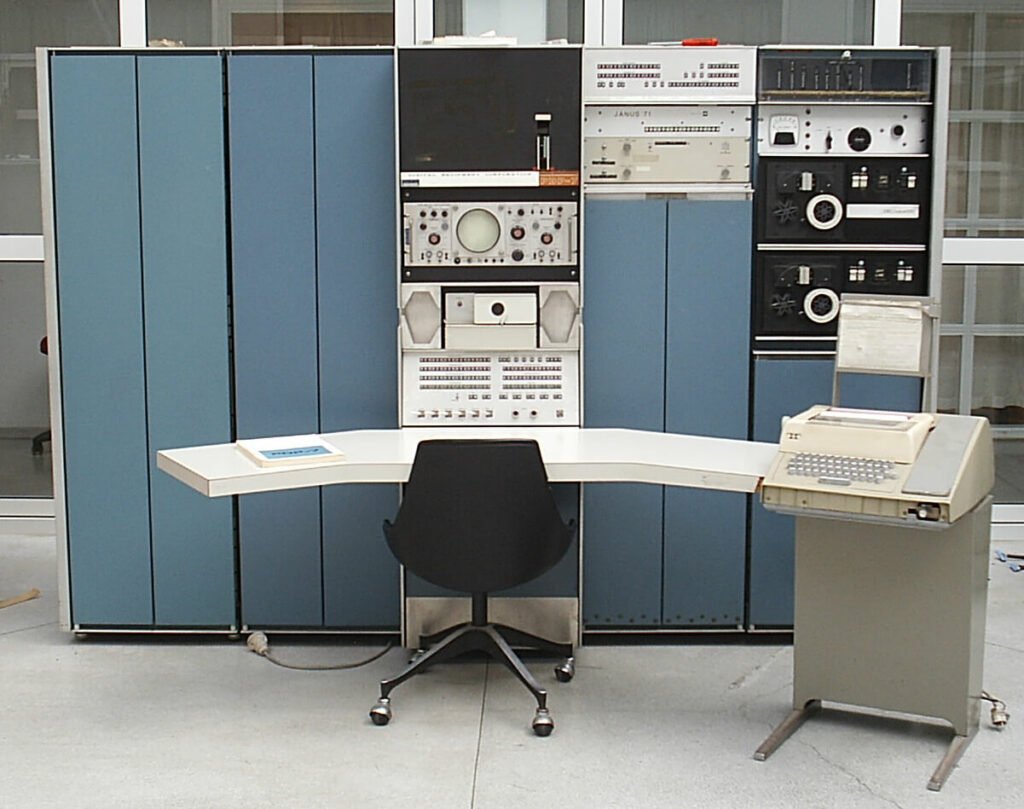
- The first UNIX ran on a PDP-7 computer and was designed to be simple, powerful, and multi-user.
🔹 C Language & Portability (1973)
- In 1973, UNIX was rewritten in the C programming language.
- This made UNIX portable (able to run on different hardware), a revolutionary idea at the time.
🔹 Academic Spread (1970s–1980s)
- Bell Labs licensed UNIX to universities at low cost.
- Universities like UC Berkeley developed BSD (Berkeley Software Distribution).
- UNIX became popular in research, education, and enterprise environments.
🔹 Commercial UNIX (1980s–1990s)
Many companies released their own UNIX versions:
- AT&T UNIX
- Sun Solaris
- IBM AIX
- HP-UX
UNIX powered servers, workstations, and mainframes.
UNIX Today (2000s–Present)
- UNIX principles strongly influenced modern systems:
- Linux
- macOS
- BSD variants
- UNIX is still used in servers, telecom, banking, and research.
Key Features of UNIX
- Multi-user & multitasking
- Strong security & permissions
- Powerful command line
- File-based system design
- Stability and scalability